Sustainable Solutions: Seasoned Environmental Consulting for Your Operation
Sustainable solutions function as a key element in today's business environment. Specialized environmental advisory provides companies the opportunity to boost productivity while decreasing their environmental footprint. By tackling ecological impact and regulatory requirements, consultants direct companies toward sustainable practices. This shift not only benefits the planet but also matches the beliefs of environmentally aware customers. The path to sustainability, however, additional article is multifaceted and necessitates close examination of various factors. What measures can businesses implement to begin this change?
Understanding Environmental Consulting and Its Advantages
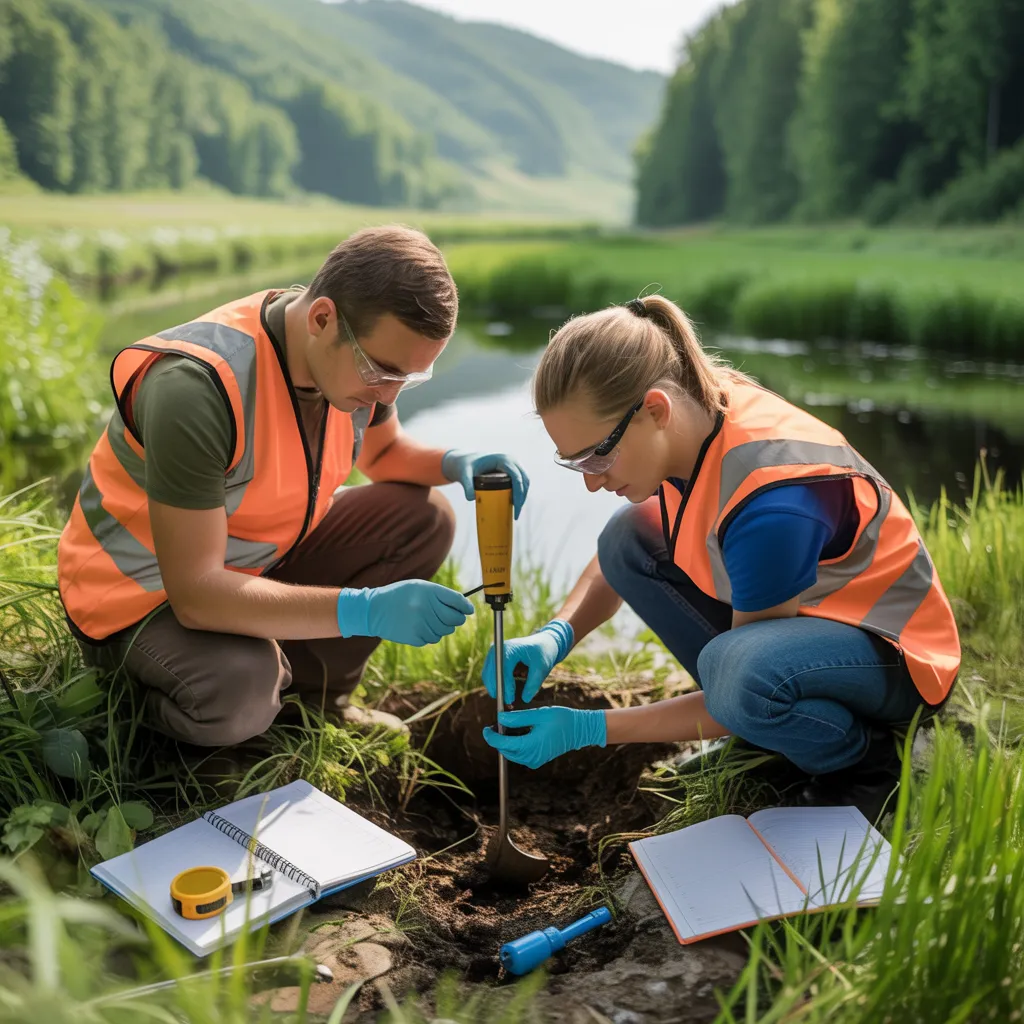
Understanding eco-friendly consulting services is crucial for businesses aiming to adopt sustainable practices. This industry involves expert guidance on ecological compliance requirements, sustainability strategies, and resource management. Environmental consultants evaluate a company's business processes to pinpoint opportunities for enhancement, ensuring adherence to ecological regulations and minimizing environmental damage.
The benefits of engaging environmental consultants are substantial. They provide customized solutions that boost operational efficiency, reduce waste, and lower costs associated with resource consumption. By assessing potential environmental risks, consultants help businesses mitigate liabilities and improve public perception. Additionally, the incorporation of sustainable practices often leads to innovation and competitive advantage in the marketplace.
Throughout the longer term, collaborating with environmental consultants promotes a culture of sustainability within organizations, encouraging employees to take on environmentally ethical behaviors. Through their expertise, businesses not only contribute to environmental preservation but also distinguish themselves as leaders in corporate accountability, appealing to increasingly eco-conscious consumers.
Evaluating Your Environmental Footprint
Evaluating a business's environmental footprint involves identifying key impact areas and assessing consumption levels of resources. By examining these components, organizations can identify where improvements are necessary. This process not only promotes sustainability but also enhances efficiency of operations.
Setting Key Effect Boundaries
Many companies ignore the critical importance of recognizing key focal points when evaluating their environmental footprint. By pinpointing particular elements of their activities that contribute to ecological harm, companies can create targeted strategies for improvement. These impact areas often include power usage, waste production, water use, and emissions. Understanding these elements allows enterprises to prioritize measures that yield the most significant environmental benefits. In addition, engaging stakeholders in this recognition procedure fosters a culture of sustainability within the organization. By recognizing and tackling these key critical zones, companies position themselves to improve their overall sustainability, reduce costs, and meet regulatory requirements. This proactive approach ultimately promotes long-term environmental and financial sustainability.
Calculating Resource Consumption Rates
Once primary focus zones are recognized, the next step involves calculating resource consumption rates to assess the company's environmental footprint. This process requires a systematic approach to collect information on power, liquid, and material consumption across all operations. Employing instruments like power assessments, liquid evaluations, and material flow analysis can offer understanding into consumption patterns. Organizations should also consider establishing standards to compare against industry standards or previous results. By examining these measurements, enterprises can pinpoint waste areas and opportunities for reduction. Accurate measurement not only helps in compliance with environmental regulations but also improves company environmental initiatives. This information-based method is essential for choosing wisely that support long-term environmental goals.
Core Regions for Eco-friendly Enterprise Approaches
Additionally, enterprises can fund sustainable energy sources, such as solar or wind, to lower reliance on fossil fuels. Involvement of employees in green efforts creates a commitment to accountability, encouraging creative approaches and dedication to green operations. To summarize, candid communication regarding sustainability targets and outcomes enhances trust with investors and demonstrates sense of responsibility. Through uniting these vital areas, enterprises contribute significantly in ecological protection while also establishing themselves as pioneers in responsible business, drawing in environmentally mindful consumers.
Selecting the Perfect Sustainability Expert for You
Choosing an environmental consultant demands a thorough comprehension of a business's specific needs and goals. Assessing these specifications enables organizations to align with consultants who possess the relevant expertise and experience. This deliberate method guarantees that businesses make informed choices for sustainable solutions.
Evaluating Your Company Needs
When corporations appreciate the importance of sustainability, they often deal with the burden of identifying the ideal sustainability professional to address their specific requirements. This undertaking begins with a in-depth assessment of the organization's environmental goals, regulatory requirements, and present operations. Companies should consider their business sector, operational scale, and distinct concerns, including but not limited to waste management or energy efficiency. Engaging key personnel throughout the business can provide beneficial perspectives into the priorities and desired outcomes of the professional engagement. In addition, it is imperative to identify the range of offerings called for, be it compliance, planning and strategy, or capacity building. By precisely detailing these needs, corporations can streamline the decision-making process and guarantee a more efficient working alliance with their chosen professional.
Analyzing Consultant Knowledge
How can firms ensure they determine the suitable environmental advisor? Assessing consultant capabilities demands multiple important considerations. Initially, businesses should review the consultant's qualifications, incorporating pertinent certifications, preparation, and experience in particular environmental industries. Subsequently, examining previous engagements and client endorsements offers insight into the consultant's performance and dependability. Furthermore, understanding their strategy to environmental responsibility—whether they emphasize innovative methods or legal compliance—is vital. Communication proficiency also fulfill a key function; a consultant must clearly express complicated information to different stakeholders. In conclusion, incorporate the consultant's dedication to continuous learning and keeping current on environmental norms and breakthroughs. Through carefully reviewing these components, organizations can reach prudent selections and engage a consultant most suited to their distinctive requirements.
Build Your Own Sustainability Strategy
A well-crafted sustainability plan is able to substantially enhance a company's environmental impact and efficiency in operations. This procedure initiates with a detailed assessment of the organization's current routines, calling out areas where upgrades can be made. Major stakeholders should be participating in this assessment to ensure different viewpoints are considered.
Next, clearly defined, quantifiable objectives need to be established. These objectives should correspond with the overarching aims of the organization while addressing environmental concerns such as waste reduction, operational efficiency, and resource conservation.
Additionally, it is required to introduce innovative solutions suited to the particular hurdles of the industry. Consulting with expert environmental consultants can impart valuable insights into optimal approaches and state-of-the-art solutions.
Ultimately, a robust communication plan can develop a sustainable organizational culture within the organization, verifying that all employees know their contributions in accomplishing these goals. This integrated strategy ultimately positions the business as a sustainability champion.
Deploying Green Methods Efficiently
Effective execution of sustainable solutions requires a strategic approach that prioritizes clarity and purpose. Businesses must first create defined goals, pinpointing concrete environmental targets in line with their overall mission. This involves engaging stakeholders, including employees and suppliers, to cultivate a culture of sustainability throughout the organization.
Next, organizations should allocate resources efficiently, ensuring that the necessary instruction, equipment, and digital solutions are positioned to promote sustainable practices. Consistent interaction is essential, as it maintains all stakeholders aware and engaged.
Furthermore, integrating environmental responsibility into existing processes can improve performance and lower pushback against transformation. By piloting initiatives, companies can determine viability and implement modifications before complete rollout.
In the end, a devoted leadership team, merged with open procedures and persistent participation, can substantially boost the effectiveness of green practices, generating lasting gains for both the enterprise and the natural world.
Evaluating Your Eco-Friendly Development
What methods can businesses utilize to monitor their sustainability advancement successfully? Companies can leverage a variety of instruments and measurements to assess their ecological footprint and advancements. One popular approach is the implementation of KPIs that focus on energy usage, waste minimization, and carbon emissions. By establishing clear benchmarks, companies can assess their progress over time.
Moreover, software solutions that monitor resource consumption and pollutant releases can provide live intelligence, enabling wiser decisions. Ongoing sustainability audits also play an essential role, enabling organizations to identify areas for enhancement and verify alignment with green standards.
Bringing contributors into feedback channels and survey processes can notably advance the tracking process, promoting a culture of accountability and continuous improvement. Finally, a systematic approach to tracking sustainability progress allows businesses to make informed adjustments and reveal their devotion to green practices.
Often Posed Questions
What Price Range Should Companies Anticipate for Environmental Consulting?
Environmental advisory pricing for businesses commonly range from $100 to $300 per hour, contingent on the firm's expertise and complexity. Fixed pricing may be applicable, adjusting in relation to services needed and project length.
What Credentials Should I Look for in an Environmental Specialist?
Finding an environmental consultant demands that you seek certifications such as Certified Environmental Professional (CEP), ISO 14001, or LEED accreditation, as these display expertise and commitment to environmental responsibility within environmental management.
Will Small Businesses Experience Advantages in Eco-Consulting Services?
Yes, small businesses can meaningfully gain advantage from environmental consulting services. These services help optimize resource use, minimize waste, strengthen compliance with industry standards, and boost overall sustainability, eventually generating cost savings and a enhanced corporate reputation.
How Much Should I Change My Eco-Friendly Strategy?
Revising a green initiative should take place each year or every two years, subject to industry changes and company expansion. Routine assessments assure alignment with evolving regulations, client interests, and modern innovations, enabling continuous improvement and upgraded sustainability results.
What Sectors Benefit Most From Environmental Advisory Services?
Industries like manufacturing, construction, energy, and agriculture receive significant benefits from environmental professional consultation. These sectors regularly confront compliance obstacles, resource allocation problems, and sustainability goals that demand skilled direction to enhance their environmental standards and regulatory adherence.